
A metabolic health coach is a certified wellness professional who uses lab data and personalized lifestyle strategies to help you improve how your body processes energy, manages blood sugar, and regulates hormones. Unlike generic diet advice, this type of coaching is grounded in clinical nutrition frameworks and behavior change science. The National Board for Health and Wellness Coaching (NBHWC) sets the certification standard most reputable coaches follow. Working with a metabolic health coach means getting a plan built around your specific biology, not a one-size-fits-all program.
What does a metabolic health coach actually do?
A metabolic health coach translates your lab results into a clear, personalized action plan. The coach reviews biomarkers like fasting insulin, HbA1c, and lipid profiles to identify where your metabolism is underperforming. This is fundamentally different from what your primary care doctor does. Doctors flag results outside clinical “normal” ranges. A metabolic coach targets optimal ranges, which are the values associated with long-term health rather than population averages.

The coaching relationship is also a behavior change partnership. Harvard Medical School’s Nutrition and Wellness Coaching program integrates clinical nutrition science with behavior change techniques across six lifestyle pillars, equipping coaches to facilitate lasting health outcomes. That shift from information delivery to behavior activation is what separates effective coaching from reading a health blog.
Sessions typically happen monthly via phone or video call. Between calls, you track food, sleep, movement, and stress using tools your coach recommends. Progress is measured against your own baseline data, not a generic chart.
How lab testing drives personalized metabolic programs
Lab testing is the foundation of data-driven metabolic coaching. Coaches order comprehensive panels including fasting insulin, HbA1c, and lipid profiles to identify metabolic imbalances before building any plan. This matters because standard clinical ranges are set at population averages, not at values that predict optimal long-term function.
The distinction between “normal” and “optimal” is significant. A fasting insulin of 15 µIU/mL falls within clinical normal limits but signals early insulin resistance. A metabolic coach targets a fasting insulin below 8 µIU/mL. Aiming for optimal lab values rather than just normal ranges gives you a much earlier warning system for metabolic dysfunction.
Pro Tip: Ask your coach to explain each lab result in plain language before you agree to any protocol. If they can’t explain why a specific marker matters to your goals, that’s a red flag.
Once results are in, coaches apply what practitioners call the five levers of metabolic restoration. These five levers are diet, targeted supplementation, sleep, stress reduction, and movement, each calibrated to your individual lab data. No two clients receive the same combination.
| Lab Marker | What it measures | Optimal target range |
|---|---|---|
| Fasting insulin | Insulin sensitivity and early resistance | Below 8 µIU/mL |
| HbA1c | Average blood sugar over 90 days | Below 5.4% |
| Triglycerides | Fat metabolism and cardiovascular risk | Below 100 mg/dL |
| HDL cholesterol | Protective cholesterol and metabolic function | Above 60 mg/dL |
| Fasting glucose | Immediate blood sugar regulation | 70–85 mg/dL |
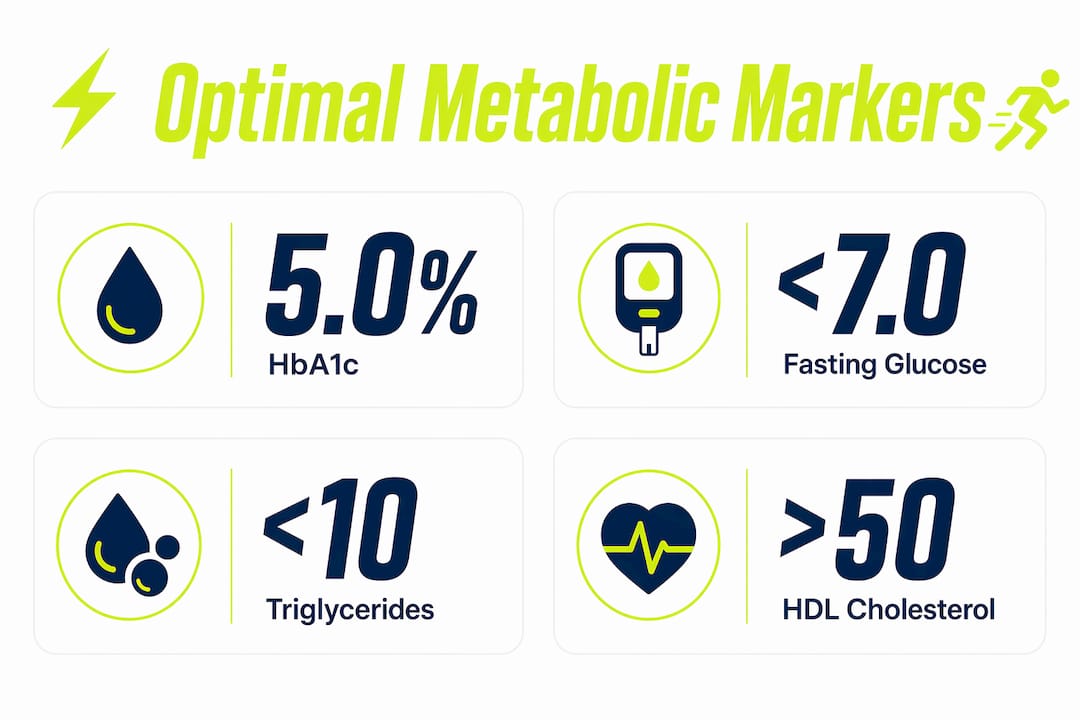
The table above reflects optimal targets coaches use, not the wider clinical normal ranges. That gap between “normal” and “optimal” is exactly where metabolic coaching adds value.
Core strategies coaches use to improve your metabolism
Effective metabolic coaching goes well beyond handing you a meal plan. The coaching field has shifted from pure information delivery to facilitating behavior change through supportive, personalized frameworks. That means your coach works on your mindset and habits just as much as your nutrition.
Here are the practical interventions clients typically receive:
- Personalized nutrition plan: Whole-food, plant-forward eating calibrated to your lab results and energy demands. A personalized nutrition plan accounts for your specific glucose response, not just general macros.
- Supplementation guidance: Targeted supplements based on identified deficiencies, such as magnesium for insulin sensitivity or omega-3s for lipid management.
- Sleep protocol: Structured sleep hygiene practices, because poor sleep directly raises cortisol and disrupts blood sugar regulation.
- Stress reduction techniques: Breathwork, mindfulness, or scheduled recovery periods to lower chronic cortisol load.
- Movement programming: Exercise selection based on your metabolic markers. Resistance training, for example, improves insulin sensitivity more effectively than steady-state cardio for most people with prediabetes.
- Accountability check-ins: Regular calls to review progress, adjust the plan, and address psychological barriers.
Pro Tip: Resistance training two to three times per week is one of the fastest ways to improve insulin sensitivity. Ask your coach to include it in your movement plan from day one.
Metabolic coaches prioritize lab panels over self-reported symptoms to target interventions precisely. This prevents the guesswork that makes generic wellness programs fail. When you can see your HbA1c drop from 5.8% to 5.2% over four months, the behavior change becomes self-reinforcing.
Who benefits most from metabolic health coaching?
Metabolic health coaching delivers the clearest results for people whose symptoms point to underlying metabolic dysfunction. Clients with prediabetes, metabolic syndrome, hormonal imbalances, or weight management challenges see the most significant improvements in lab markers, energy, and sleep quality. These are people who have often tried standard diets without lasting results because the root cause was never identified.
People managing blood sugar and weight
If your fasting glucose sits above 100 mg/dL or your doctor has mentioned prediabetes, a weight management coach with metabolic training can help you reverse the trend before it becomes type 2 diabetes. Coaching addresses the specific dietary patterns, sleep deficits, and stress responses that drive blood sugar dysregulation. Clients in this group often see measurable lab improvements within 90 days.
People with low energy and hormonal imbalance
Chronic fatigue, brain fog, and irregular cycles frequently trace back to metabolic dysfunction rather than a single hormone problem. A coach who reviews your full metabolic panel, including thyroid markers and sex hormones alongside insulin and lipids, can identify the actual driver. This is where fitness and nutrition guidance that accounts for hormonal context outperforms generic calorie restriction.
People seeking long-term disease prevention
You do not need a diagnosis to benefit from metabolic coaching. Many clients come in with normal clinical labs but suboptimal markers and a family history of heart disease or diabetes. Catching and correcting metabolic drift early is far less costly than managing a chronic disease later. Improved metabolic markers, energy, and reduced chronic disease risk are consistent outcomes reported across coaching programs.
How to find and start working with a metabolic health coach
Finding the right coach requires more than a Google search. Certification matters. Look for coaches credentialed through the NBHWC or those with clinical nutrition training from accredited programs. A coach with a background in functional or integrative medicine is well positioned to interpret metabolic labs in the context of your full health picture.
Here are the steps to get started:
- Book a discovery call. Most coaches offer a free initial consultation. Use it to ask about their lab testing approach, coaching style, and client outcomes.
- Order your lab panel. Effective coaching starts with a health discovery call, followed by lab ordering and a plain-language results review. Lab panels typically cost $300–$550.
- Review your results together. Your coach should walk you through each marker, explain what it means for your health, and connect it to your goals.
- Receive your personalized plan. The plan covers diet, movement, sleep, stress, and supplementation based on your specific data.
- Schedule ongoing coaching calls. Monthly check-ins let your coach adjust the plan as your markers improve and your habits evolve.
- Track and measure progress. Retest key markers every 90–120 days to confirm the plan is working and to celebrate real, measurable wins.
Telehealth has made metabolic coaching accessible regardless of where you live. Virtual coaching platforms let you share lab results, food logs, and wearable data with your coach between sessions. You get the same quality of personalized support without commuting to a clinic. Cardio coaching and movement programming can also be delivered remotely, making a fully integrated metabolic program possible from home.
Key takeaways
A metabolic health coach delivers measurable results by combining lab data, behavior change science, and personalized lifestyle strategies, not generic diet plans.
| Point | Details |
|---|---|
| Lab data drives the plan | Coaches target optimal ranges for fasting insulin, HbA1c, and lipids, not just clinical normal values. |
| Five levers guide restoration | Diet, supplementation, sleep, stress reduction, and movement are each tailored to your individual results. |
| Behavior change is the core skill | Effective coaches shift clients from information overload to consistent, accountable action. |
| Best fit for metabolic dysfunction | People with prediabetes, metabolic syndrome, or hormonal imbalance see the clearest lab improvements. |
| Virtual coaching works | Telehealth delivery makes lab-verified, personalized metabolic coaching accessible from home. |
What I’ve learned from watching clients change their metabolic health
I have seen clients arrive with years of failed diets, normal bloodwork from their doctor, and genuine confusion about why they still feel exhausted. The turning point almost always comes when they see their own lab data for the first time. A fasting insulin of 18 µIU/mL explains a lot. It explains the afternoon energy crash, the stubborn weight, and the carb cravings. That moment of clarity is more motivating than any meal plan.
The biggest mistake I see people make is chasing symptoms instead of causes. They cut calories, add cardio, and buy supplements based on what worked for someone else. Without lab data, that approach is expensive and slow. Data-driven coaching removes the randomness. You know what you are fixing and why.
The other thing I want you to hear is this: sustainable change is slow by design. Clients who improve their HbA1c by a full percentage point over six months are doing something that lasts. Clients who crash-diet their way to a lower number in six weeks are usually back where they started by month nine. Coaching builds the habits that hold the result.
If you are on the fence about whether coaching is worth the investment, consider what it costs to manage a chronic metabolic disease for 20 years. The math is not close. Investing in a qualified coach now, when your markers are still correctable, is the most cost-effective health decision most people can make.
— Ricky
Getvitalhome’s approach to metabolic wellness coaching
Getvitalhome brings certified coaching and personalized wellness programs directly to you, wherever you are. Every program starts with your goals and builds from there, combining evidence-based nutrition protocols with structured movement and accountability support.

The online personal training program at Getvitalhome integrates metabolic health principles with fitness programming you can follow from home. Coaches work with your data to build plans that fit your real life, not an idealized gym schedule. You can also browse the full range of wellness services to find the right starting point for your metabolic health goals. Book your first session and get a plan built around your biology.
FAQ
What is a metabolic health coach?
A metabolic health coach is a certified professional who uses lab testing and personalized lifestyle strategies to help clients improve metabolic markers like blood sugar, insulin sensitivity, and lipid levels. Coaching goes beyond diet advice to address sleep, stress, movement, and behavior change.
How much does metabolic health coaching cost?
Lab panels typically cost $300–$550, with additional monthly coaching fees on top. Many coaches offer a free initial discovery call before you commit to a full program.
What lab tests does a metabolic coach order?
Coaches commonly order fasting insulin, HbA1c, fasting glucose, triglycerides, and HDL cholesterol. These markers reveal metabolic function at a level of detail that standard annual physicals often miss.
How long does it take to see results from metabolic coaching?
Most clients see measurable improvements in key lab markers within 90–120 days of following a personalized plan. Sustainable lifestyle changes compound over time, with the strongest results appearing at the six-month mark.
Do I need a diagnosis to work with a metabolic health coach?
No diagnosis is required. Coaching benefits anyone with suboptimal metabolic markers, low energy, or a family history of metabolic disease, even if standard clinical labs show normal results.